
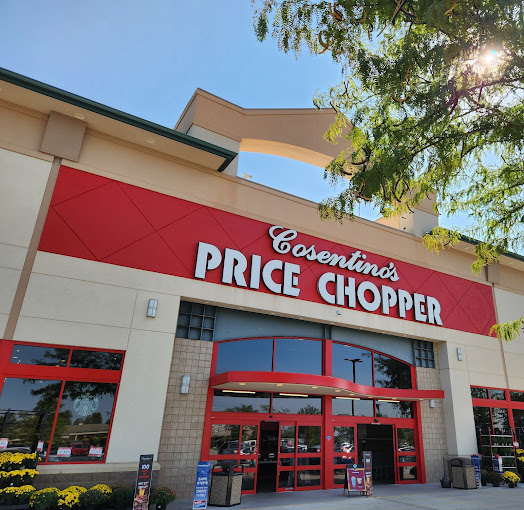
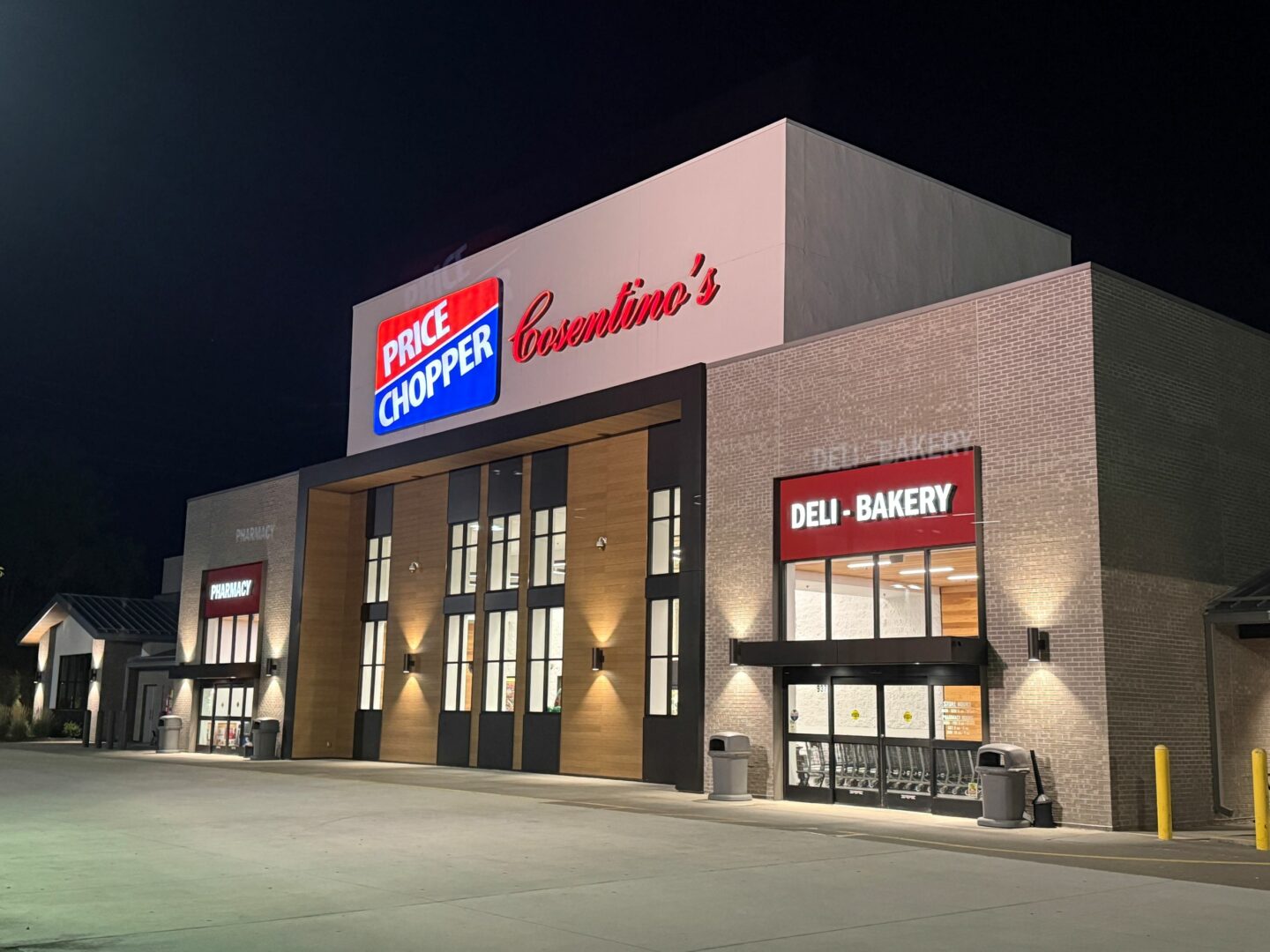
Cosentino’s Food Stores began more than seventy-five years ago as a small Kansas City fruit stand and has grown into a family-owned regional grocer with thirty-two locations across Kansas and Missouri. Operating four formats, Price Shopper, Sun Fresh, Apple Market, and Gourmet Markets, the company serves neighbourhoods ranging from inner-city to high-income suburbs and is preparing for a third generation to take the helm in the next five to ten years. That growth, however, brought a stubborn challenge to the front end: self-checkout shrinkage and, more damagingly, full-trolley “push-out” theft.
Unlike the classic concealment of twenty to fifty dollars’ worth of merchandise, push-outs were brazen and costly. Everyday shoppers would fill a cart and simply walk out, leaving Cosentino’s to absorb two to three hundred dollars per incident. Shop entrances and exits were offset from the front end, which supported smooth operations flow but left the doors too open and unprotected. Compounding the problem, a previous vendor relationship struggled with miscommunication, slowing progress when speed mattered most.
Read how Cosentino’s achieved measurable results.
Measurable Results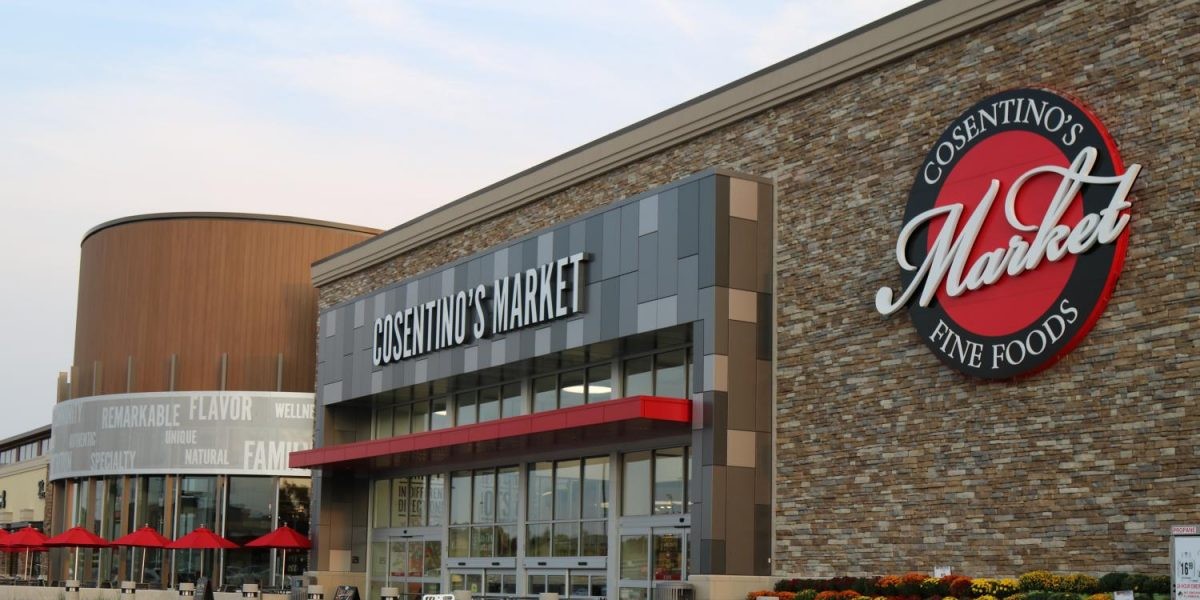
Find out now by completing the checklist. More than 2 yeses? Your store is at significant risk!
Get the checklist
In 2016–2017, Cosentino’s piloted Rocateq’s Check Out Security. The approach paired an in-shop check out security system with a car park solution outside, tailored to each location.
Early on, there were snags, inevitable in any real deployment, but the partnership tightened. Rocateq’s team leaned in: response times improved, handoffs were clearer. The company rolled out to five locations, with two more slated by September, one an upgrade, one a new addition, prioritising the most at-risk sites first.

Every 12 seconds a shopping trolley disappears worldwide.
Average value of theft in US dollar with a shopping trolley.
The return was measurable and fast. At the original test shop, payback landed within the first 12 months of deployment. Loss per incident fell from the two-to-three-hundred-dollar range to about fifty dollars as trolleys that would previously have exited now locked, prompting would-be thieves to abandon their goods rather than argue with a steel wheel. As customers watched those lockups happen, abandoned trolleys increased temporarily, then attempts tapered after roughly three months as word spread that “this shop locks”. Trolley theft, a costly background drain of about five trolleys per week at some locations, fell to nearly zero. Cosentino’s validated the gains the simple way: track the value stopped at the door, count the abandoned trolleys, and compare incident losses before and after. By midpoint math, that’s roughly an eighty percent reduction, consistent with a seventy-five to eighty-three percent range across the shops and weeks reviewed.
The technology matured alongside the rollout. The first wired configuration sometimes armed too close to the entrance; customers grabbing ice or visiting customer service could trigger an inconvenient lock. The shift to Rocateq’s wireless arming—pushing the arming point further into the shop, significantly reduced those false positives. Genuine customers largely understood the bargain: lower shrink and more stable prices for everyone, a safer feeling.
In parallel, Cosentino’s integrated with Auror, their data management platform. That link automated receipt generation and item counting for recovered goods, stitched reports together cleanly, and moved video evidence automatically, turning what used to be tedious manual work into a few clicks. Rocateq’s System Health Monitoring System added another layer, flagging coverage issues proactively so its engineers could fix small problems before they became costly ones.
Perhaps the most telling feedback didn’t come from dashboards, but from the street. Career criminals and organised “boosters” now avoid the Rocateq locations and target shops without the system, the weakest link principle, spoken aloud by the people who test every weak link. Cosentino’s used that feedback, alongside the numbers, to justify expanding coverage to the remaining sites.
Response times were quick, and communication improved markedly. Even with some distribution realities the on-site assistance remained timely. Rocateq also put structure around quality assurance, to audit recent implementations. Those audits are now expected to be standard practice on future deployments, locking in the consistency that frontline teams appreciate.
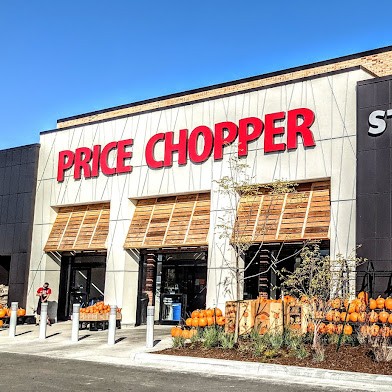
For Cosentino’s, a multiformat grocer with a wide customer base, Rocateq has transformed chaotic exits into controlled ones, delivering a quick financial return, a visible deterrent, and quieter days at the front end.
“Rocateq paid for itself in under a year,” says Cosentino’s Chris Vandiver, Director of Loss Prevention. “Our push-out losses dropped to about fifty dollars per attempt, trolley theft basically disappeared, and boosters now avoid our Rocateq locations. The wireless arming solved our early customer friction, and the Auror integration saves real labour every week.”
Discover 6 reasons to invest in our Check Out Security system and see how it protects your shop and boosts profitability.
VIEW ALSO